A rubber floor has one simple job: stay firm, comfortable and reliable through daily use. Yet choosing the wrong binder can lead to loose granules, weak edges or tiles that wear sooner than expected. That can be frustrating after investing time and money in a flooring project. The binder often plays a bigger role than it first appears. It holds rubber granules together while allowing the finished tile to retain some flexibility.
Whether a playground, gym or busy walkway, the right rubber tile binder can help to create a surface fit for the purpose. The key applications are explained below.
How Rubber Tile Binder Systems Can Hold Granules Together?
A rubber tile binder is typically a polyurethane based binding agent used to bind rubber granules into a solid product. It can be used with recycled rubber, virgin rubber or EPDM granules.
During the curing process, the binder is mixed with the granules and placed into a mould where they cure and form a flexible matrix around the rubber granules. As such, the finished tile has the strength of a solid product yet the flexibility of a rubber tile floor.
The ratio of binder to granules, together with the granule size, curing instructions and the thickness of the tile will have an impact on the end result. As such, it is important that a system is chosen according to the application.
Playground Flooring for Safer, Cushioned Surfaces
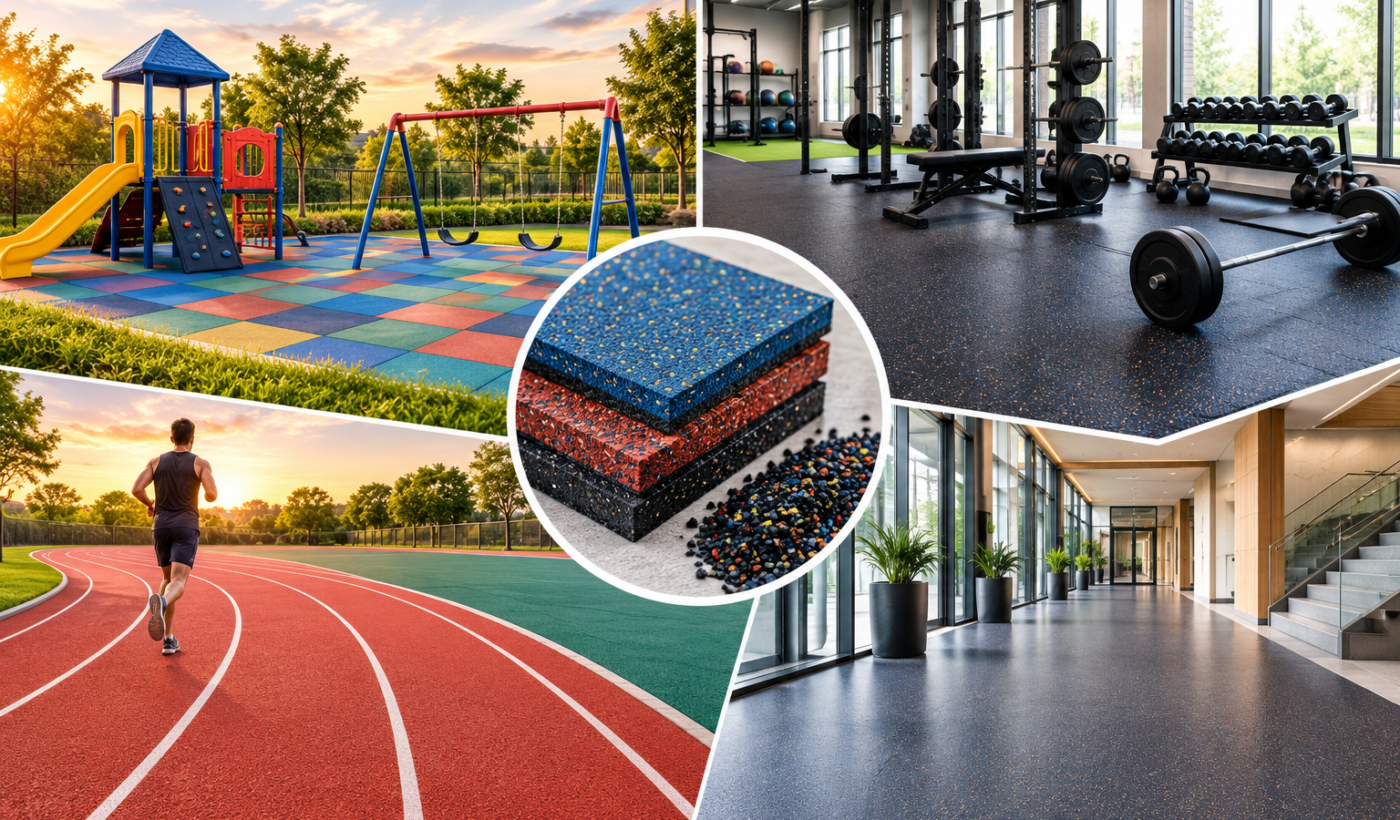
Playgrounds require safe and flexible flooring to endure the constant movement from the activities and play equipment. This requires rubber tiles to be used on school, park, nursery or domestic playgrounds.
A typical system may include a base layer of recycled SBR rubber granules and a top layer of EPDM granules, with a rubber tile binder system binding the two layers together to create a resilient, yet stable surface for the play equipment.
The correct material selection is important as the playgrounds may experience the effects of weather and other environmental conditions. Therefore, the completed surface must remain intact and suitable for continued use.
Gym Flooring for Impact and Repeated Loads
The gymnasiums experience impact loads because of the presence of weights, and the rubber tile needs to be able to withstand such loads, along with wear due to constant movement of feet.
A good binder for rubber tile will provide durability to the floor of the gymnasium, whether it is a commercial centre, a yoga centre or a domestic gymnasium. There are other considerations as well that will affect the durability of the completed floor surface.
There should be a clean and dry surface for the placement of the tiles; otherwise, there would be problems during the curing period.
Sports Courts and Training Areas
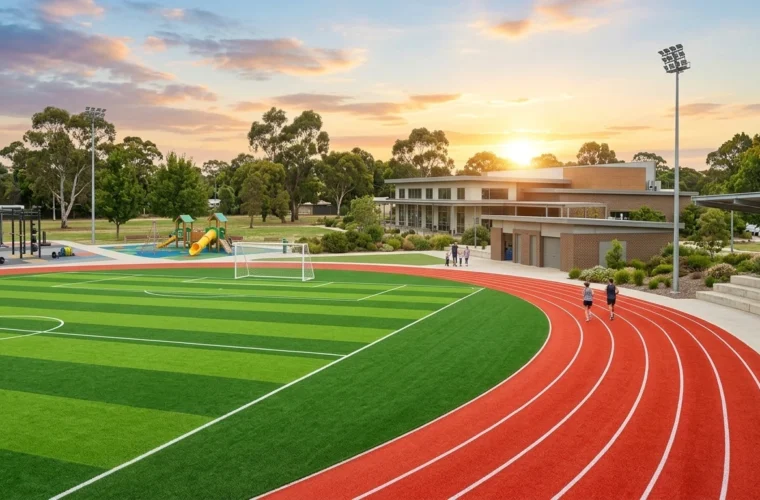
Running, jumping and making sudden changes of direction all exert high stresses on sports floors. Rubber-bound surfaces provide impact attenuation plus flexibility to accommodate normal athletic activity.
These resilient yet firm systems provide running tracks, training areas, courts and multipurpose recreation surfaces. They may also be used to produce prefabricated rubber tiles and other products.
The final properties of the installed system depend upon a combination of factors such as the type of rubber, binder ratio, thickness of the finished surface, time of cure and the environment in which it is installed.
Walkways and High-Traffic Commercial Areas
Rubber tiles can also be useful across other surfaces including selected pedestrian walkways, entry areas, offices, stair landings and other areas where people are often on their feet.
For example, rubber flooring can help reduce footfall noise in high-traffic indoor environments as well as provide greater comfort than other hard surface flooring substrates.
In high-traffic environments, maintaining excellent cohesion is paramount to a successful installation, as the binder needs to provide the optimum level of bonding of the rubber granules together during the period of traffic loading.
Choosing the Right Binder for the Application
Price should not be the sole determining factor in choosing a binder for a rubber tile application. First consider the rubber type, thickness, expected traffic, indoor or outdoor application and curing conditions.
A correctly chosen system will offer improved cohesion, flexibility, finish and service life but, above all, is chosen according to the requirements of the finished flooring system and not as a stand-alone product.
For more practical and reliable rubber tile binder advice, contact Atlas PU Systems to discuss your rubber tile requirements and find the perfect binder for your application.