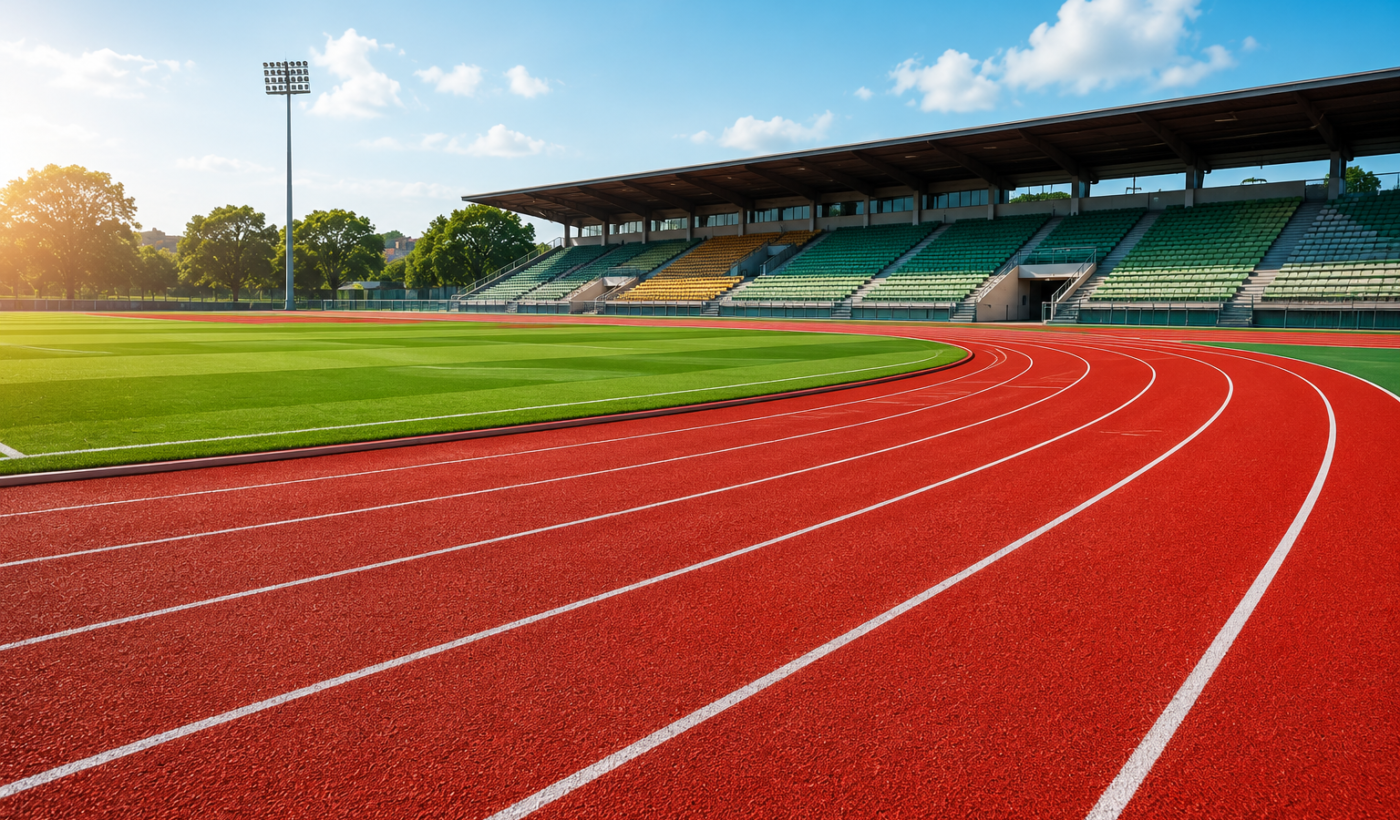
A running track always seems like a rather smooth and easy-to-use facility. But in reality, the quality of the surface underneath the track makes all the difference. Uneven, hard surfaces lead to poor results and increased injury risks. That is why choosing the appropriate track system is crucial. Many owners understand it only at the maintenance stage of their track.
If you’ve ever wondered why some tracks perform perfectly for years, while others start to deteriorate very quickly, then this blog is for you.
What are athletic running track systems?
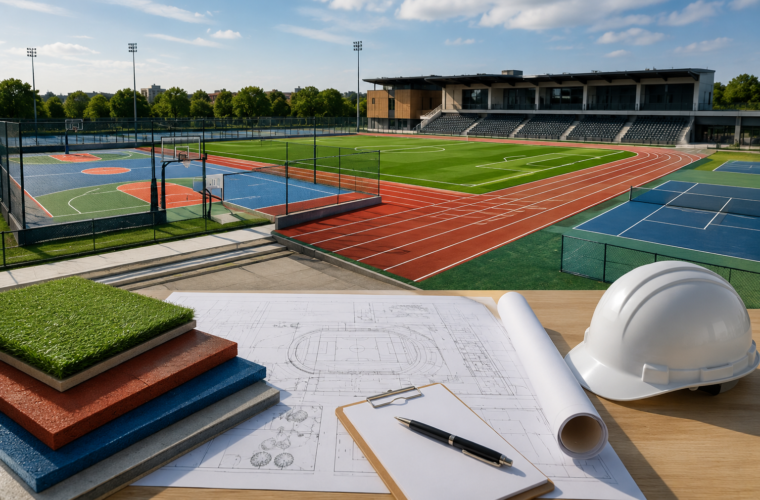
Athletic running track system are not simply the top layer surfaces, but rather multi-layer systems, each element of which serves a specific purpose.
The base provides structural integrity of the surface. The following layers provide elasticity and shock absorption. The final layer ensures that the surface will remain comfortable and durable for a long time.
The design of such systems allows for ensuring surface integrity and reducing water entry. Such qualities make them perfect for long-term use in all kinds of weather conditions.
Main system types and how they differ
Every system is designed for specific purposes. The two types of systems which are widely used today are the sandwich systems and spray systems.
- The sandwich system is a strong elastic base covered by a durable top layer. Such a system is suitable for facilities with heavy traffic, since it is resistant to wear.
- The spray system consists of a sprayed polyurethane layer with rubber granules. It allows for fast surface installation, providing excellent grip and shock absorption.
Due to different qualities, the choice of systems depends on usage and site specifics.
Materials and layers involved in modern track construction
Choosing the right materials is crucial for the quality of the surface. Polyurethane binders hold together rubber granules, creating a solid yet flexible surface.
Over it goes the elastic layer, providing shock absorption and support to athletes’ movements. When the design is done properly, it reduces strain without weakening the surface.
Finally, there is a top layer protecting the surface from exposure to sunlight and moisture.
As a result, the surface remains its colour, texture, and properties during the years of usage.
What defines performance?
While the surface performs great from the first day, its long-term qualities are even more important.
- Firstly, the durability is determined by the ability of the surface to withstand spikes, wear and frequent usage. Good materials guarantee the integrity of the structure and prevent breakdown.
- Secondly, the safety depends on the balance between grip and shock absorption. Excessive grip increases the strain on athletes’ joints, while too little of it makes them prone to slipping. That is why a consistent surface is very important.
- Finally, weather resistance determines the durability of the surface. It should be able to withstand hot and rainy weather without affecting the surface properties.
Thus, taking all of these parameters into account will ensure the long-term functionality of the surface.
Why do polyurethane-based systems matter for modern track construction?
Polyurethane systems became the standard for modern surfaces due to better control over such parameters as flexibility, strength and durability.
Such a surface allows customisation according to the needs of athletes, and polyurethane systems provide consistency throughout the whole large surface.
Also, they reduce the maintenance needs and increase the lifespan of the surface, making them a good choice for all kinds of sites.
Conclusion
Running track systems are rather complicated and engineered structures, the choice of materials and design of which influences performance, safety and durability.
With careful planning, not only does the track provide a comfortable surface for the athletes, but it also minimises maintenance problems. If you are looking for a reliable and high-performing track system, then you can find it in Atlas PU Systems.